An episode of “Naptime”

Naptime came today, just like it did yesterday and the day before. Naps have taken a new and exciting twist though. The newly minted three year I watch has graduated from a crib to a big girl bed! Yes! That means she can hop out of it whenever she wants! Yes! Wait…no?

So these are all of her tricks I heard and saw today while I tried to accomplish the simple goal of getting her to stay in bed:

“Hello?!”

“I want mommy!”

“Stop that!”

“That’s not nice”

Reading a book

Singing

Hanging her feet off the edge of the bed

Sitting on the stool that leads up to the bed

“I know, jump!”

Jumping on the bed!

Jumping off the bed, thud!

Trying to make herself cry

Banging her feet on the baseboard

“Go away!”

Saying she couldn’t reach a lovey

Asking for her soothing sounds to be on

Sliding off the bed and then jumping back on

Leaning onto the side table to get more books

Getting off the bed to get a book

Coming to the door to see if anyone’s in the hall

Leaving the room

“Help!”

“Katie?”

“Do it again Katie!” (putting her back into bed)

“I want my ladybug!”

“Choo-choo park!”

“Mommy, come pick me!”

“I have to go potty!”

“I’m mad!”


And here are my tactics to get her to stay in bed:

1. Put her in bed the first time she gets up

2. Tell her “It’s time to stay in bed”

3. Tuck her in with kisses and “sleep tights”

4. Stand outside the partially open door facing out into the hallway

5. If she gets out of bed, put her back and say “Stay in bed please”

6. One more tuck in & “night night”

7. Resume guard duty

8. Place back in bed each time she gets up

9. No eye contact

10. No talking

11. No tacit responses to her requests

12. Resolve!!!


After a long time of placing back, I was finally ready to relent, as long as she had been in her bed for a little while and (wonder of wonder, miracle of miracles) she fell asleep! 45 minute nap today! Maybe tomorrow it’ll be a full hour! Naptime!
 

I have confidence in me!

I listened to a lot of musicals growing up. A lot. In The Sound of Music, the fair heroine, Maria, attempts to bolster her confidence in moving from the nunnery to a grand house to look after 7 children by singing just that: “I have confidence in me!”

So I got to thinking: is the best trick to gaining confidence simply to sing about it? Tell yourself it’s so and magically, it is! Or is the way to gain confidence only through failing? Can slowing down and regaining your sense of balance also bring you confidence? I read a local Baltimore blog today that touched on these feelings of shakiness as they relate to parenting. I too have been feeling these wobblings in my self-confidence. Building a business is a daunting thing for so many reasons. Lately I’ve been feeling like I should sing my way up a mountain pretty soon just to convince myself that I am capable!

Parents need a confidence boost and so does the person who’s coaching them. Interesting. So how do we get one? I’ve heard singing for an answer. Anyone else? Faking it? Laying off the self-deprecating humor? Being kind to oneself? Perhaps confidence doesn’t come from how many proverbial balls you’ve got in the air and your ability to keep them there. Perhaps confidence comes from small successes in life. I’ve touched on helping children to build self-confidence in little ways, so maybe I should look to my own advice. Achieving small things tends to boost feelings of confidence in me (and in kids). When I can check a self-imposed responsibility off of my list, then I feel pretty good about myself for a little while. Maybe just performing our usual responsibilities is enough to make us feel confident in our ability to do more?

I guess I should really tackle my to-do list then and put one thing on it that will cause me to go outside my comfort zone. But once I complete that uncomfortable task, perhaps I’ll feel more like singing.

“I have confidence that spring will come again, besides which you see, I have confidence in me!”

“I keep telling him!”

When I was teaching, I used to hear this statement from parents quite often. I didn’t see many parents during those years (and some I never met), but when we got together to discuss educational or behavioral goals for their kids, they so often agreed with what school staff were saying, but did not know how to help their kids meet those goals. Their responses would invariably be that they had been telling their child not to be late for school or telling them not to disrespect school staff.

As soon as I heard those “telling” words, I knew that change was going to be hard for this kid as well as for their parents. The point that was hard to convey was that telling them really wasn’t enough, especially when their child is 14 or 15 and has been “told” many things that aren’t backed up. These can come in the form of broken promises or empty threats.

The lack of follow through and support from my students’ homes made it all the more vital and  challenging for me to follow through when I said I was going to do something. It wasn’t always easy to do and sometimes I slipped, but trying to give them something to count on, even if it was unpleasant was crucial to making their year even moderately successful.

So what’s the moral of this story?

Maybe it is: Show them, don’t tell them.

If you want your child to be disciplined, then show them what discipline in your own environment looks like. If you want them to be friendly, show them what being friendly looks like. If you want them to look both ways before they cross the street, make a point of showing them how you look both ways before crossing the street.

So don’t just keep on telling them.

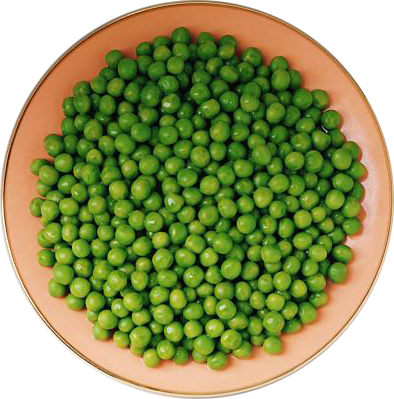
“I don’t like peas!”

Have you ever heard this protest before? It’s hard to know when kids mean it since they tend to say that they “don’t like” many varied (and often healthy) foods.

Image

Personally, I also hear “That’s yucky!” a little too often for my taste.

So where do kids get these ideas that they don’t like food that they’ve never tried or aren’t hungry for? Can it be… from the adults in their lives? Have you ever asked a kid if she didn’t like something on her plate because she wasn’t eating it?

Once upon a time, I witnessed just such a display. I was having dinner with some family members and my cousin and her husband were there with their young son (you know who are if you’re reading this :). Their little boy wasn’t really in the mood for eating for whatever reason. So his dad asked him if he didn’t like what we were having for dinner. His mom stepped in immediately and said that of course he liked it and that they shouldn’t ask that question of him. That breakdown has made me wary of those simple words, “Don’t you like it?”

Just yesterday I offered a taste of my salad to a young man who I watch. It had sweet dressing on it that I thought he would really enjoy (since just yesterday he also said that his tummy was “Candy hungry”). He replied very calmly that he didn’t like salad. I asked him what he meant and he said that he didn’t like any type of salad. In my logical brain, I guess that means that he’s tried every kind of salad there is. Quite a feat for such a little man. I’m pretty sure that he didn’t put this all together on his own, but now he’s pretty resistant to trying salad (or other foods) if his mind has been up that he doesn’t like it.

So while we can’t avoid the food monster making things unacceptable for our children to eat, perhaps we can avoid enabling their censorship of said foods.

Don’t you like it?


Decisions decisions…

What would you like, a hug or a hi-five?

Which book are we going to read while you sit on the potty? Thomas or Brown Bear?

What would you like to drink with lunch? Water or milk?

Which socks are you going to wear? Red or gray?

The subtext to each of these questions is that:

1. I’m taking my leave and would like a goodbye.

2. It’s time to sit on the potty.

3. It’s time for you to come to the table for lunch.

4. Socks should be on. We’ve got to get going.

But in each case, giving them a choice eases our social interaction. If “it’s time for ____” was the main thing that I said everyday, then everyone would be annoyed with me (including myself). Choices not only give kids a sense of power and control in their little lives, they can also serve as a reminder or prompt of what to do next. And it allows kids to take ownership of their responsibilities. If they get to pick what socks they wear, they just might surprise you and opt to put their socks on by themselves as well.

Plus it’s always a good idea to set up interactions that can be successfully achieved and then praise your kids for achieving them. “You came to the table all by yourself! Great job!”

Giving a choice to a hesitant or unwilling kid isn’t always going to make your interaction without headache, but it can certainly be a place to start. Hmm, decisions, decisions.